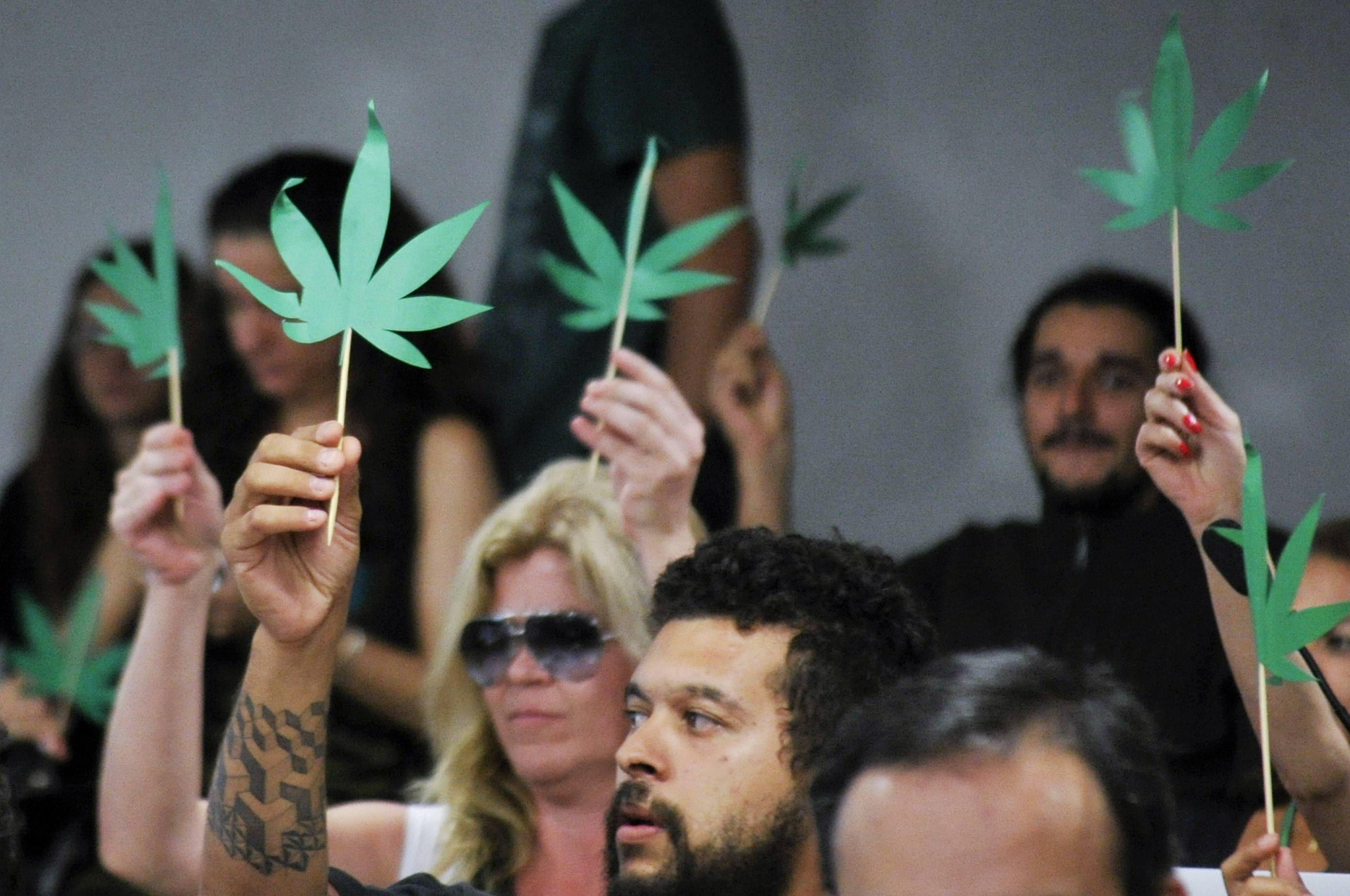
La escena se repite en decenas de hogares brasileños: una madre frente a una planta de cannabis en un pequeño invernadero improvisado, cultivando por prescripción médica, con una orden judicial pegada en la pared como único escudo legal. No es activismo recreativo. Es medicina. Es la única forma que encontraron miles de familias de acceder a un tratamiento que el sistema de salud no les ofrece de otra manera.
Esa realidad acaba de cambiar —parcialmente, con matices importantes— con la aprobación de la Resolución de la Directiva Colegiada RDC 1,014/2026 por parte de la Agencia Nacional de Vigilancia Sanitaria de Brasil (ANVISA), el 28 de enero de 2026. Por primera vez en la historia del país, las asociaciones de pacientes sin fines de lucro tienen una vía formal para cultivar cannabis, producir ingredientes farmacéuticos activos y distribuir productos a sus miembros registrados.
Una década de habeas corpus
Para entender el significado de esta regulación hay que entender lo que la precedió: una forma de resistencia legal tan creativa como precaria.
Ante la ausencia de marcos regulatorios claros, cientos de familias brasileiras recurrieron al habeas corpus —una herramienta jurídica diseñada para proteger la libertad física— como mecanismo para obtener autorización judicial individual para cultivar y elaborar aceite de cannabis. Era ilegal sin esa orden. Era imposible obtenerla sin acceso a un abogado. Y aun cuando el juez reconocía el derecho, como señaló una investigadora del London School of Economics en un artículo académico sobre el tema, “el Estado no pagaba” —las victorias judiciales se implementaban a cuenta y riesgo de las propias familias.
En ese contexto surgieron organizaciones como APEPI (Asociación de Investigación y Apoyo a Pacientes de Cannabis), fundada en 2014 por Margarete Brito después de que su hija Sofia fuera diagnosticada con epilepsia refractaria severa. APEPI se convirtió en referencia del movimiento: hoy abastece a cerca de 4.000 pacientes y mantiene alrededor de 2.000 plantas. “Es una lucha del pueblo”, dijo Brito al conocerse la aprobación de la RDC 1,014. “Es una política social que no viene de arriba hacia abajo.”
Según datos de 2024, Brasil contaba con más de 259 asociaciones de pacientes registradas —un crecimiento del 90% respecto al año anterior— y al menos 40 con autorizaciones judiciales activas para cultivar. En total, el modelo asociativo atendía a unas 147.000 personas: el 21,9% de todos los pacientes de cannabis registrado en el país.
Lo que permite la nueva regulación
La RDC 1,014/2026 establece un “entorno regulatorio experimental” —un sandbox— de duración máxima de cinco años. Dentro de ese marco, las asociaciones habilitadas podrán:
- Cultivar Cannabis sativa L. con fines medicinales
- Producir ingredientes farmacéuticos activos (APIs) a partir de esa producción
- Preparar y distribuir productos exclusivamente a miembros registrados con prescripción médica
El límite de THC en las plantas cultivadas es del 0,3%. La comercialización está absolutamente prohibida. Los productos solo pueden dispensarse a pacientes formalmente registrados en la asociación. Y la ANVISA puede revocar la autorización en cualquier momento mediante resolución fundada.
Para acceder al sandbox, las asociaciones deberán participar de una convocatoria pública —el llamado edital— cuya apertura se esperaba para entre abril y julio de 2026. Solo podrán participar organizaciones sin fines de lucro con al menos dos años de existencia legal, capacidad técnica demostrada y trazabilidad completa de toda la cadena de producción.
Las 40 asociaciones que hoy operan bajo autorizaciones judiciales de habeas corpus tienen plazo hasta el 5 de agosto de 2027 para hacer la transición a la habilitación formal de la ANVISA. Después de esa fecha, la vía judicial ya no será suficiente.
El número que lo explica todo
El argumento central de las familias que impulsaron este movimiento no es ideológico: es matemático.
Un frasco de aceite de cannabis producido por una asociación cuesta entre R$79 y R$180. El mismo producto importado cuesta entre R$480 y R$777. El tratamiento mensual de un niño con epilepsia refractaria puede superar los R$2.000 a través del canal de importación personal. El salario mínimo en Brasil en 2026 es de R$1.412.
Eso significa que muchas familias que dependen de importaciones gastan entre el 140% y el 280% del salario mínimo solo en medicamentos. Para ellas, el modelo asociativo no fue una elección: fue la única posibilidad de acceso real a un tratamiento que sus hijos necesitaban.
Las condiciones más frecuentes entre los pacientes de estas asociaciones incluyen epilepsia refractaria —en especial el síndrome de Dravet y el síndrome de Lennox-Gastaut—, trastorno del espectro autista (TEA), esclerosis múltiple, dolor crónico neuropático, fibromialgia y náuseas oncológicas. La regulación de 2026 expande el alcance más allá de los casos paliativos o terminales, reconociendo como beneficiarios a pacientes con “enfermedades graves e incapacitantes”.
La contradicción en el corazón de la norma
Sería inexacto presentar la RDC 1,014/2026 como una victoria sin fisuras. Tiene un problema estructural que los propios actores del movimiento han señalado públicamente.
Para participar en el sandbox, una asociación que atienda entre 100 y 300 miembros necesita una inversión inicial estimada en entre R$439.000 y R$1.084.000. Esa cifra no es anecdótica: actúa como filtro. Las asociaciones más pequeñas, más nuevas, más pobres —muchas de las cuales son exactamente las que llevan años sirviendo a comunidades de bajos ingresos en regiones periféricas— pueden quedar excluidas de la primera fase por no disponer de ese capital.
El análisis publicado por High Times lo formuló sin eufemismos: ANVISA “eligió testear las bisagras en lugar de abrir la puerta de par en par”, con el riesgo real de que “muchas organizaciones que sostuvieron el movimiento en sus años más difíciles no calificarán en esta primera fase”.
La distribución geográfica agrava el problema. De las 40 asociaciones con autorizaciones activas de cultivo en 2024, 23 estaban en el Sudeste de Brasil y 11 en el Nordeste. En el Norte —la región más empobrecida y con mayores barreras de acceso al sistema de salud— no había ninguna. La regulación no resuelve esa brecha por sí sola.
El fallo judicial que forzó la mano de la ANVISA
Esta regulación no hubiera existido sin una decisión del Superior Tribunal de Justicia (STJ) de Brasil. En noviembre de 2024, el tribunal emitió el IAC n.º 16: un precedente vinculante que reconoció la legalidad del cultivo de cannabis medicinal y ordenó explícitamente a la ANVISA crear vías formales de regulación. Esa orden judicial fue el impulso que convirtió años de demandas del movimiento en un mandato institucional.
La RDC 1,014/2026 no fue, entonces, un gesto voluntario de apertura regulatoria. Fue la respuesta a un sistema que la justicia obligó a moverse.
Lo que sigue
La convocatoria pública —el mecanismo concreto por el cual las asociaciones podrán postularse— no había sido publicada al cierre de este artículo. Su apertura es el próximo hito a seguir: definirá los criterios exactos de selección, los requisitos técnicos y financieros, y el número de plazas disponibles en esta primera fase del sandbox.
Para el movimiento de pacientes brasileño, que lleva más de una década organizándose desde los márgenes del sistema de salud, este momento es a la vez un reconocimiento y una advertencia: la formalización puede incluir, pero también puede excluir. La diferencia dependerá de cómo se diseñe esa convocatoria y de quién tenga la voluntad —y los recursos— para participar en ella.
Fuentes
- ANVISA. Resolução da Diretoria Colegiada RDC 1.014/2026. Publicada en el Diário Oficial da União, 30 de enero de 2026.
- Brasil de Fato. “Brazil’s health agency expands rules for medical cannabis.” 29 de enero de 2026.
- Licks Attorneys. “ANVISA Approves New Cannabis Regulatory Framework in Brazil.”
- GrowerIQ. “ANVISA Cannabis Resolutions 2026.” 20 de marzo de 2026.
- APEPI. “Anvisa aprova RDC que abre caminho para regulamentar associações.”
- High Times. “Brazil’s Cannabis Crossroads: New Rules, Old Truths, and the Road Ahead.”
- LSE Journal of Illicit Economies and Development. “Medical Cannabis Regulation in Brazil: Patients’ Demands Through the Courts of Justice.”
- Girls in Green. “APEPI and the Struggle for Access to Medical Cannabis in Brazil: Interview with Margarete Brito.”